

News
-
Uneven Pellet Length and Size: Tracing the Root Cause to Your Die or Roller
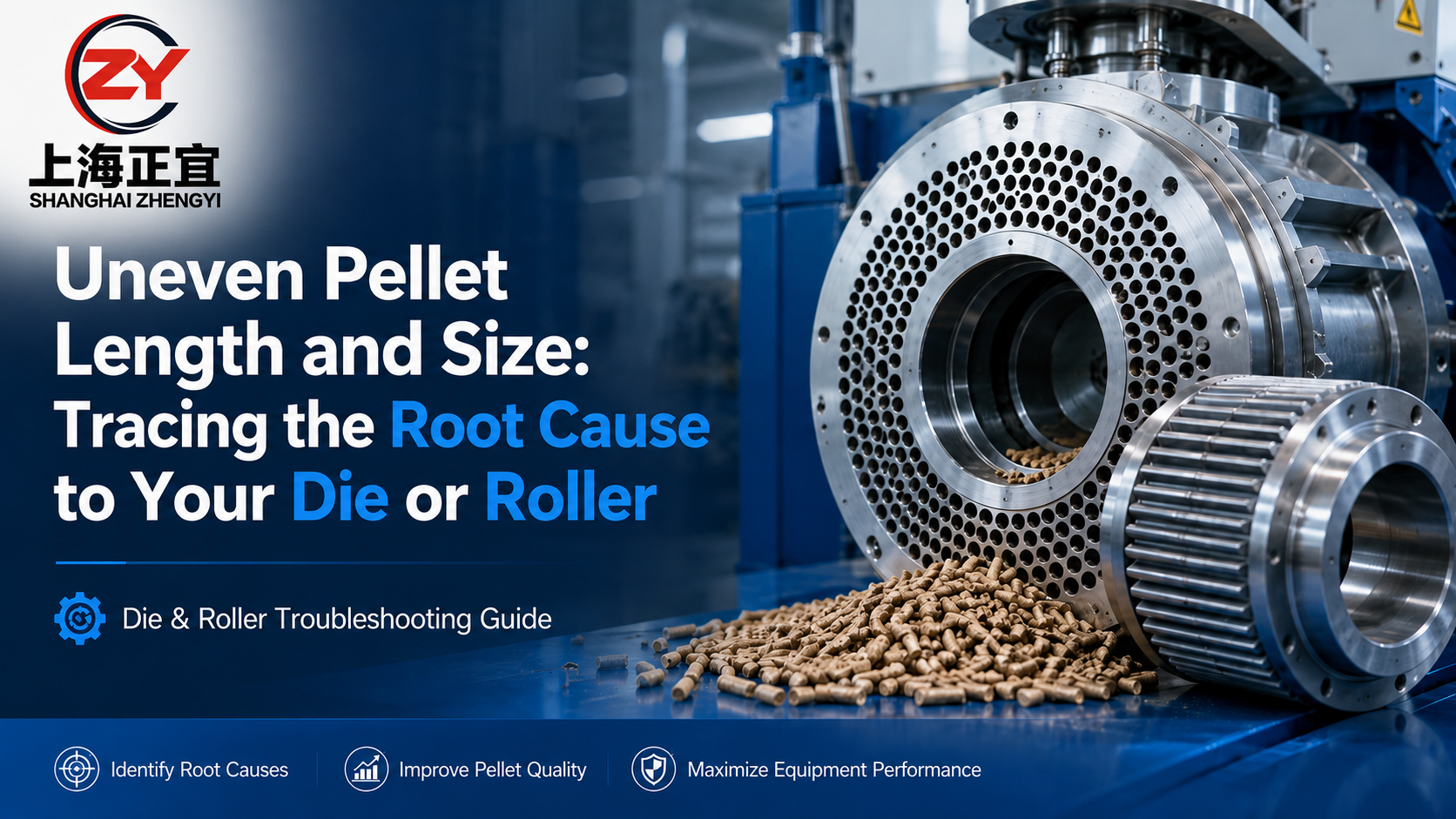
When pellets leave the cooler with inconsistent length, variable diameter, rough surfaces, or excessive fines, the ring die is often blamed first. That assumption is convenient—but frequently incomplete. Uneven pellet length may begin at the cutting knife, while unstable pellet size can result f... -
Uneven Pellet Length and Size: Tracing the Root Cause to Your Die or Roller
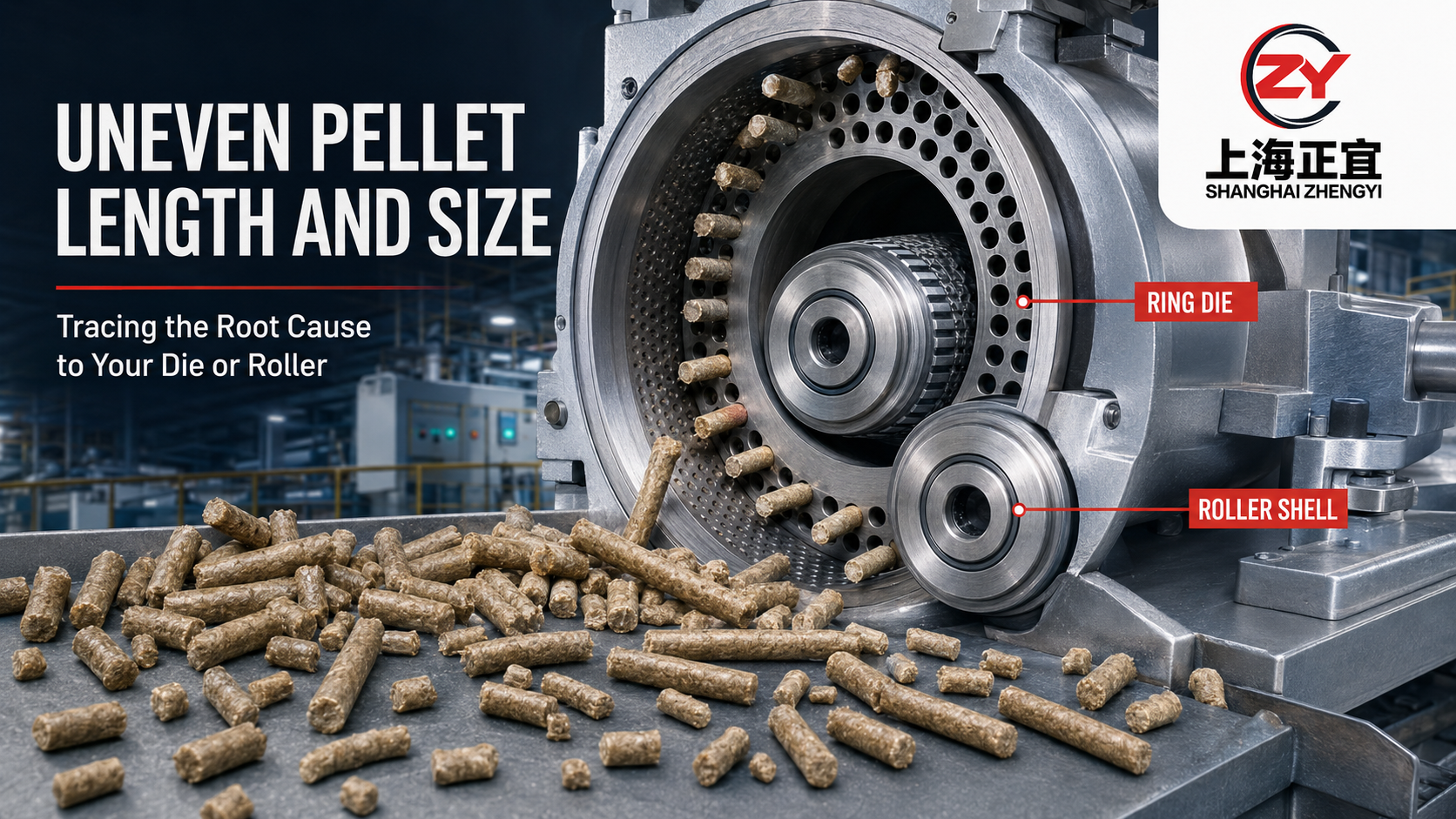
In pellet production, inconsistent pellet length or size is more than a cosmetic problem. It can affect product quality, bulk density, packaging, handling, customer acceptance, and even the overall efficiency of the pellet mill. A common situation is that operators notice pellets becoming longer... -
Uneven Pellet Length and Size: Tracing the Root Cause to Your Die or Roller
In pellet production, consistent length and diameter are important indicators of product quality. Uniform pellets are easier to cool, screen, convey, store, and package. They also improve product appearance and help ensure stable feeding performance. When a pellet mill begins producing pellet... -
Pellet Cracking After Cooling: Diagnosing Die and Roller Problems
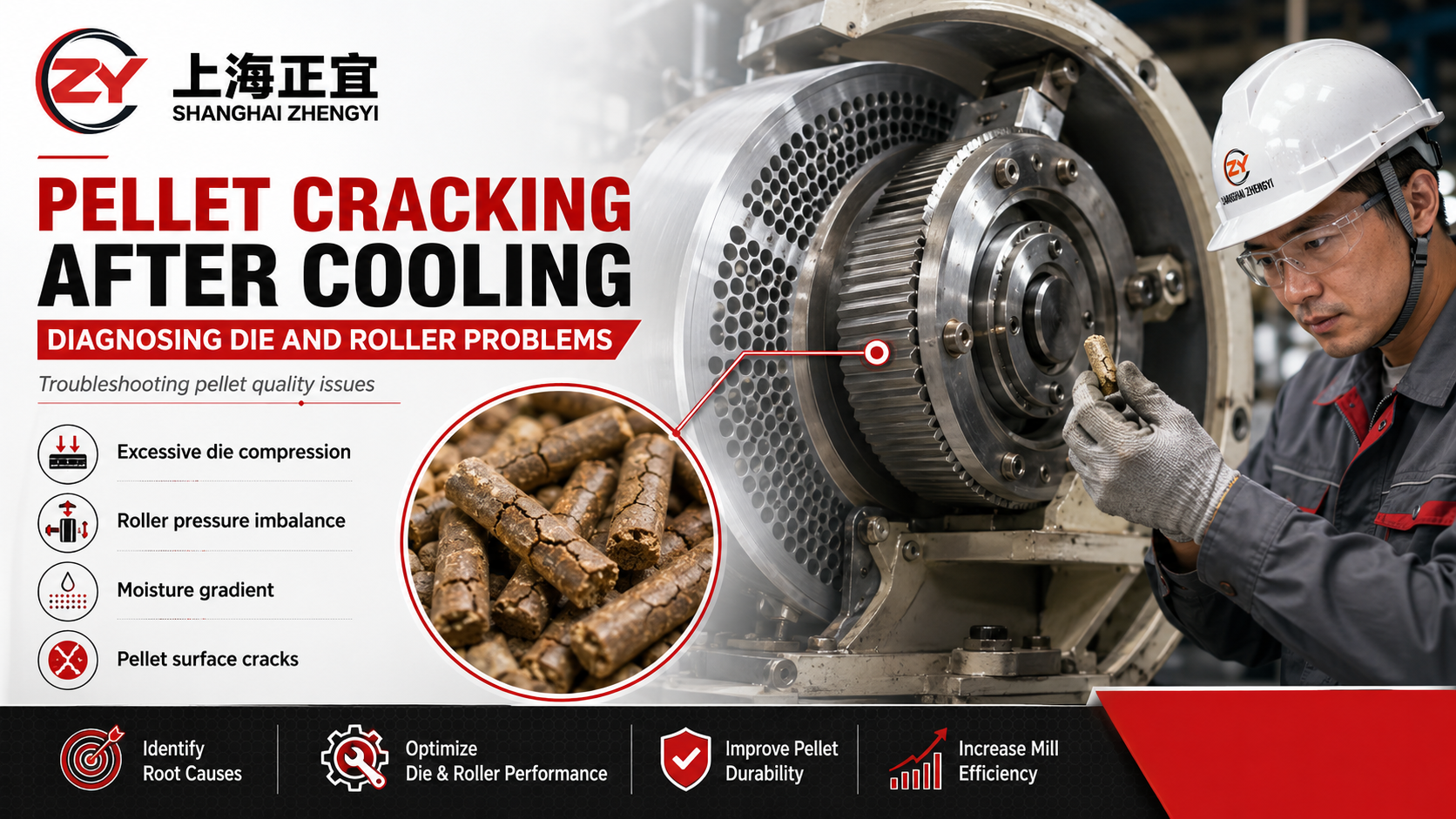
Pellets may look acceptable when they leave the die but develop visible cracks, split ends, or excessive fines after passing through the cooler. This is one of the most misleading pellet quality issues because the damage appears downstream even though the original stress may have been created i... -
5 Reasons Your Ring Die Wears Out Too Fast — And How to Fix Them
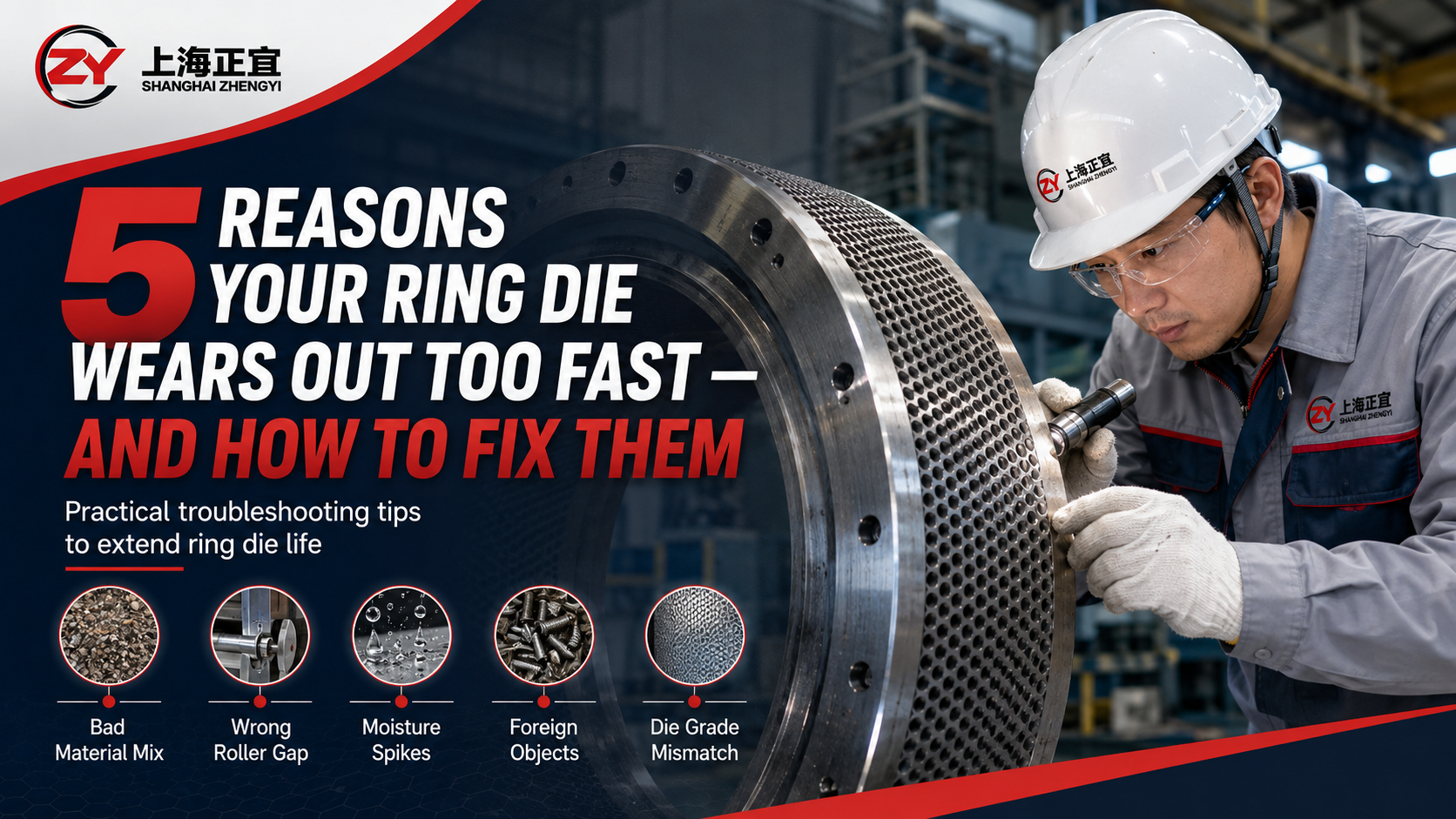
Pellets may look acceptable when they leave the die but develop visible cracks, split ends, or excessive fines after passing through the cooler. This is one of the most misleading pellet quality issues because the damage appears downstream even though the original stress may have been created i... -
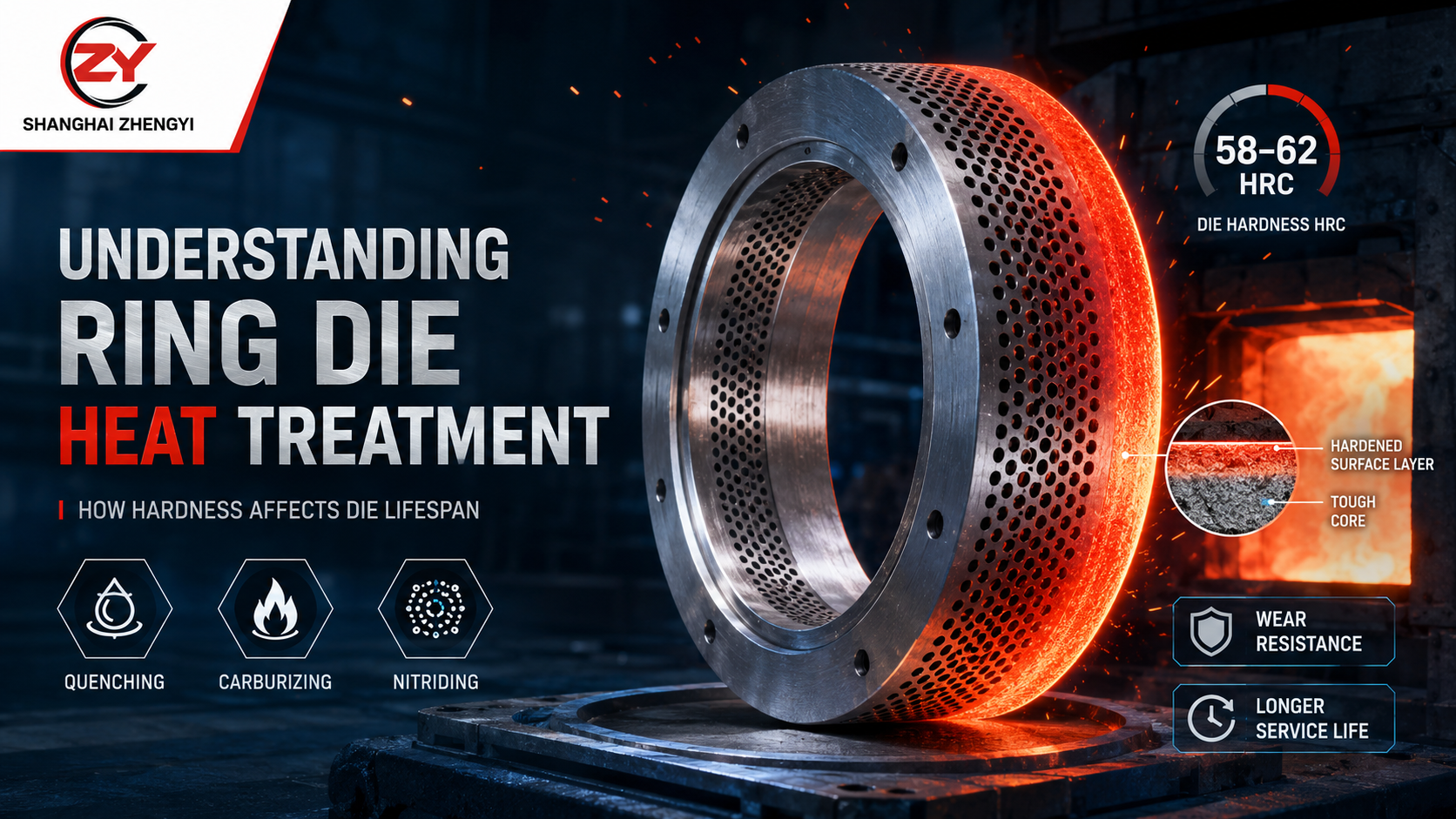
Understanding Ring Die Heat Treatment: How Hardness Affects Die Lifespan
A ring die operates under continuous pressure, friction, heat, and cyclic mechanical stress. During pellet production, conditioned material is compressed between the roller shells and the inner surface of the ring die, then forced through thousands of die holes. Although a ring die may appear t... -
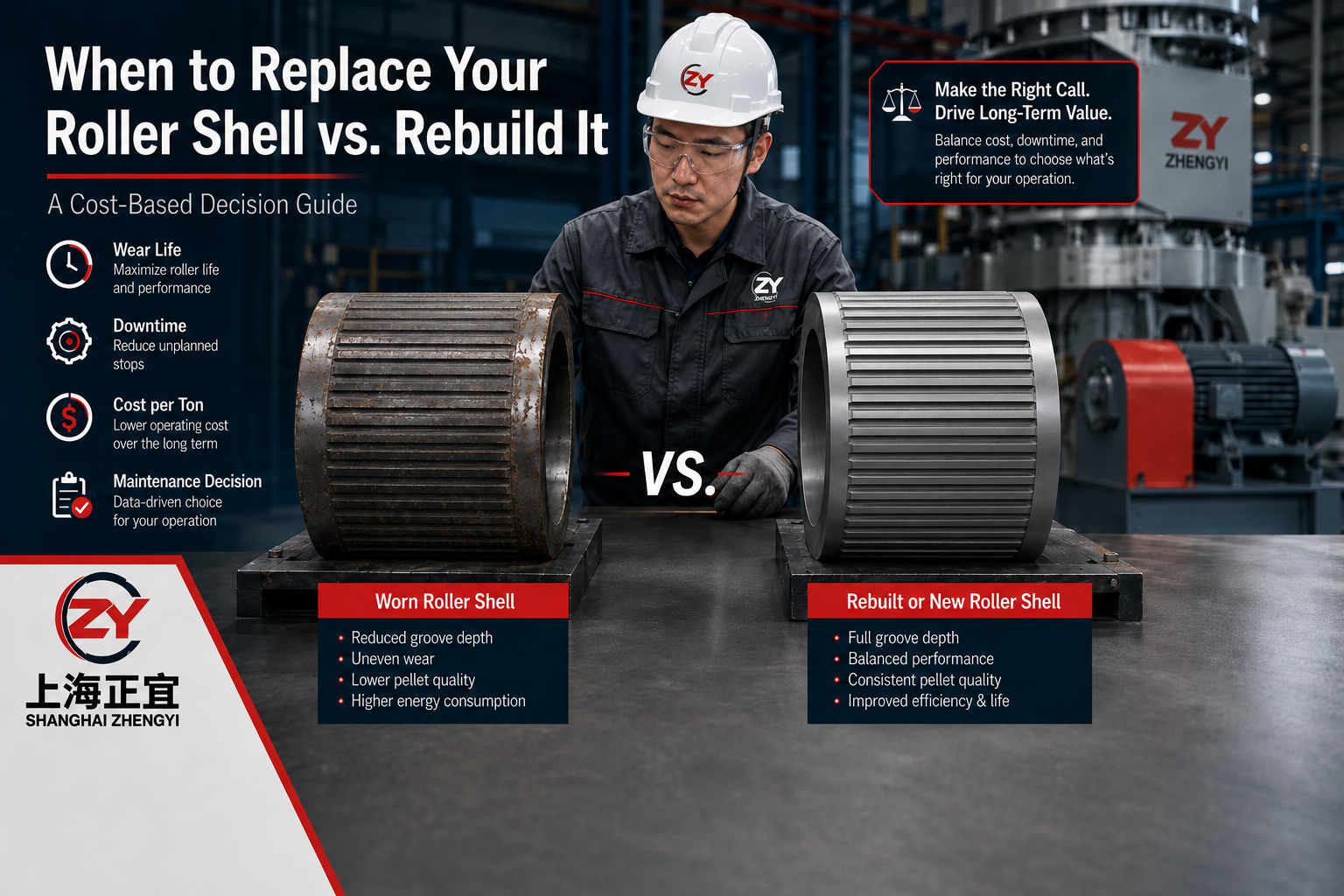
When to Replace Your Roller Shell vs. Rebuild It: A Cost-Based Decision Guide
In pellet production, roller shells are exposed to continuous pressure, friction, heat, abrasive raw materials and occasional foreign-metal contamination. As the working surface wears, pellet mill performance gradually declines. The plant may experience lower output, higher motor load, increased... -
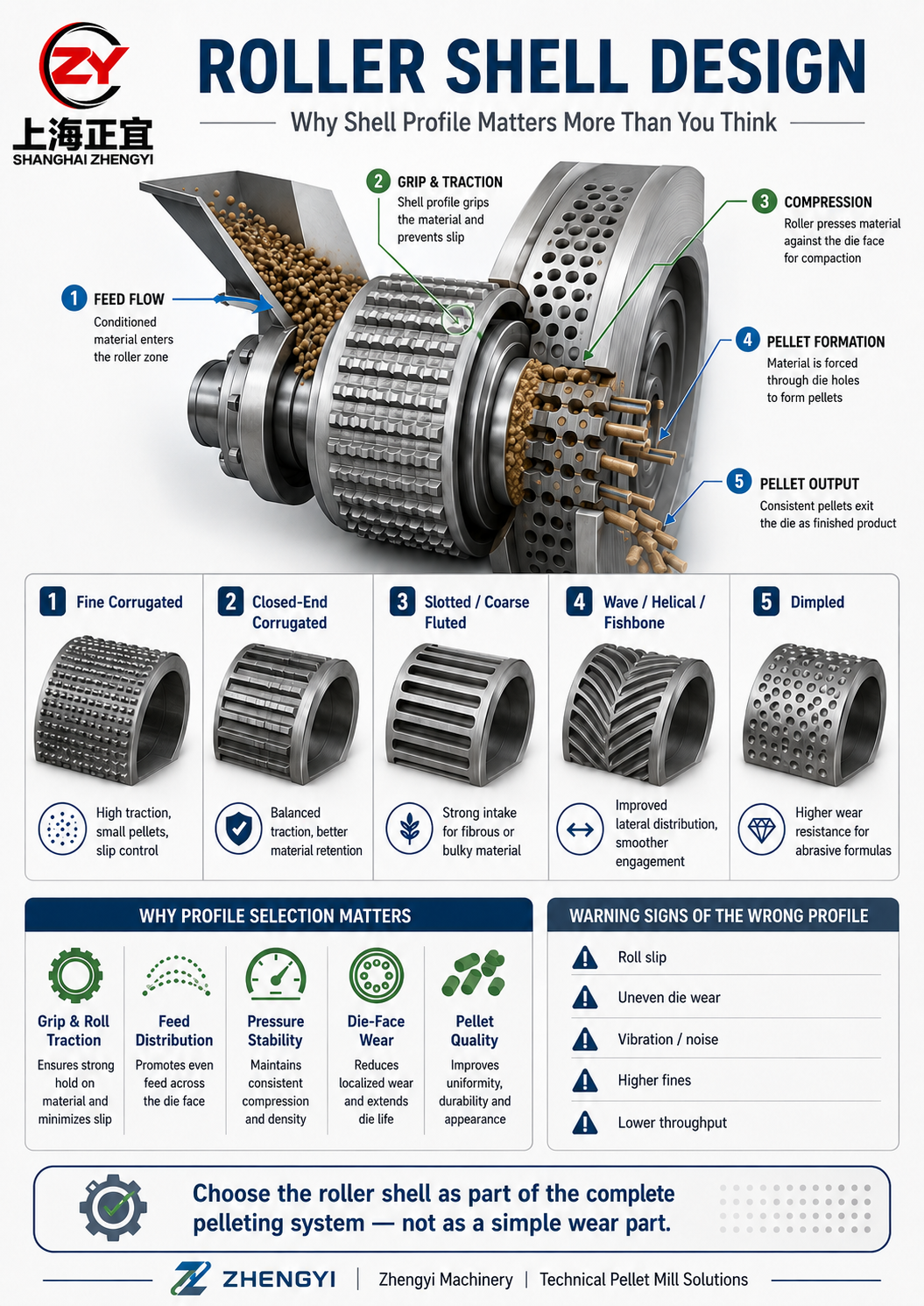
Roller Shell Design: Why Shell Profile Matters More Than You Think
When pellet mill performance begins to decline, operators often focus first on the ring die, conditioning temperature, moisture level or formulation. The roller shell is sometimes treated as a simple wear part that only needs to fit the roller assembly. That assumption is costly. The roller she... -
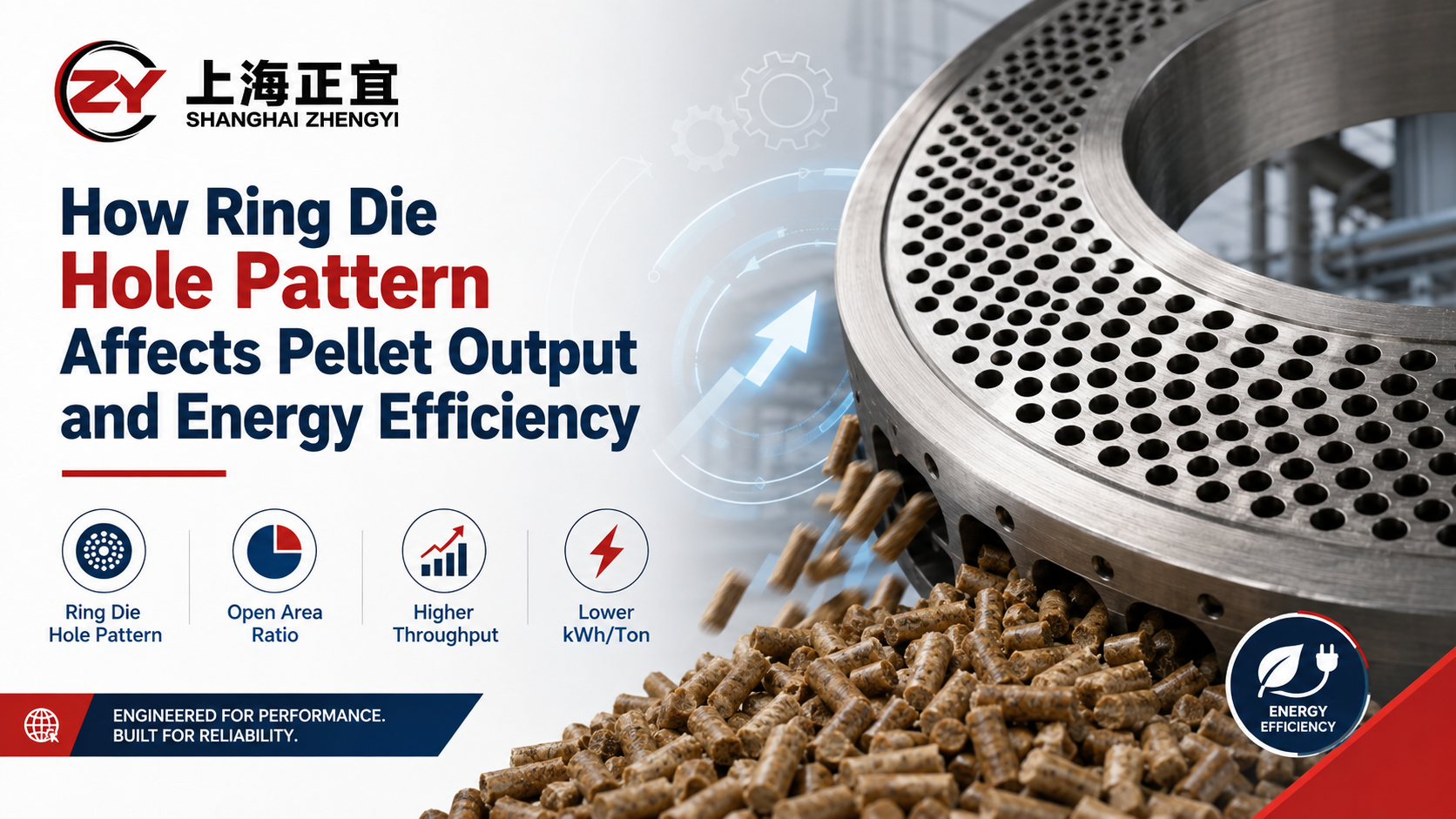
How Ring Die Hole Pattern Affects Pellet Output and Energy Efficiency
Introduction In a pellet mill, the ring die is not simply a perforated steel component. It is the main forming tool that controls how material enters, compresses, heats and exits the pelleting chamber. Among all ring die parameters, the ring die hole pattern is one of the most important—and one... -
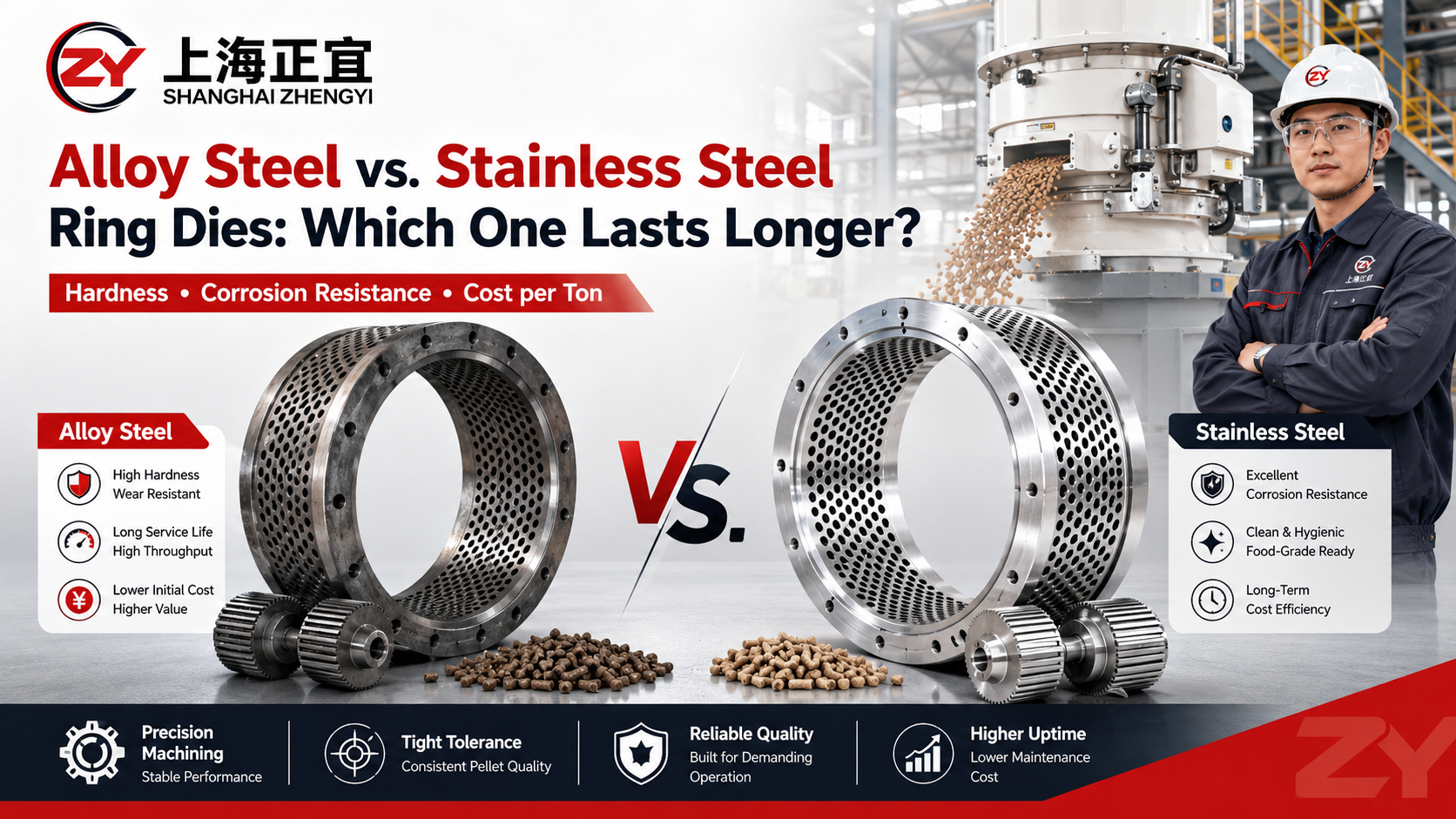
Alloy Steel vs. Stainless Steel Ring Dies: Which One Lasts Longer?
Target Keywords: alloy steel ring die, stainless steel pellet die, ring die material comparison Category: Ring Die / Roller Meta Description: Compare alloy steel and stainless steel ring dies for feed pellet mills. Learn how 4Cr13, 316L and other materials differ in hardness, corrosion resistan... -
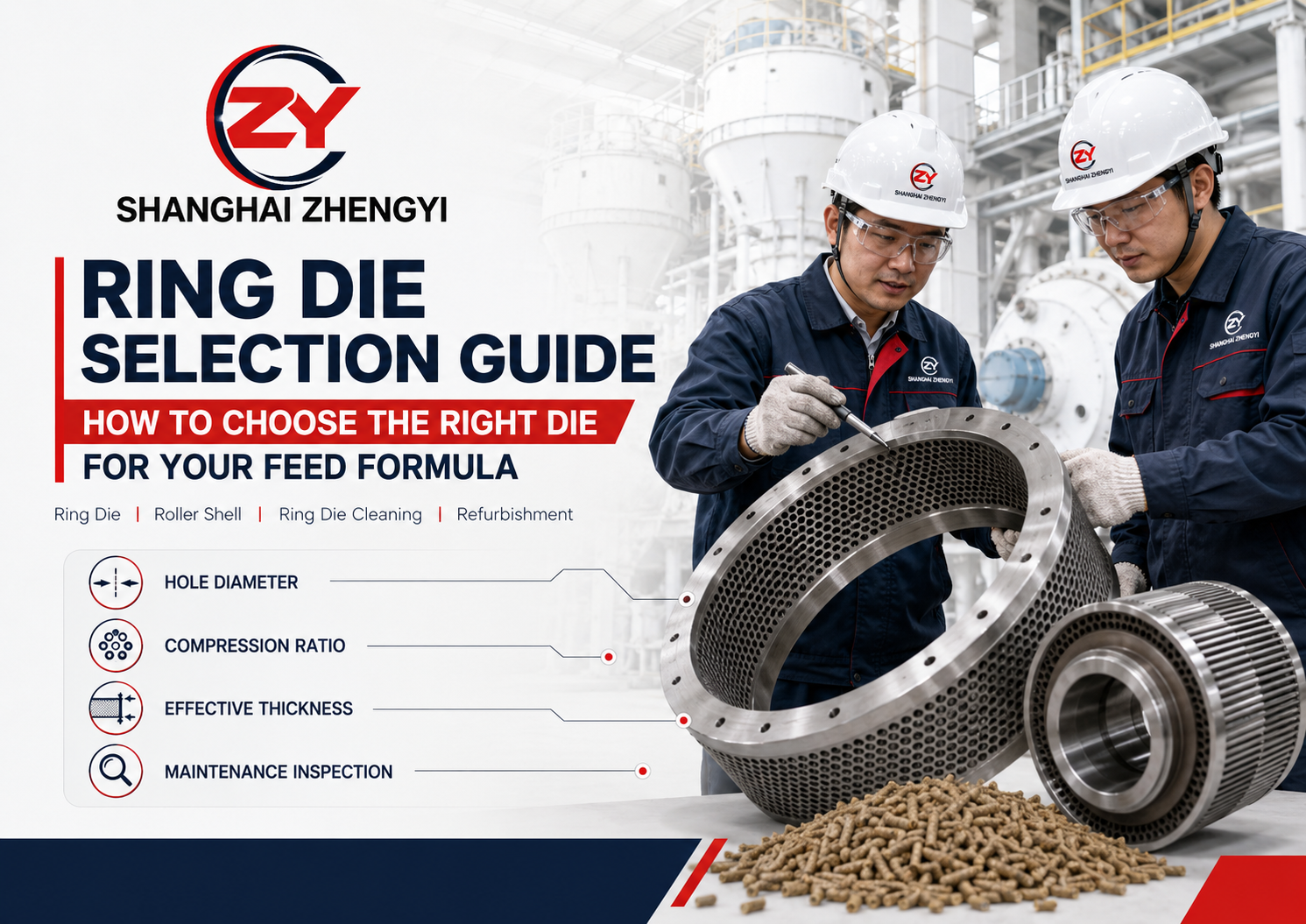
Ring Die Selection Guide: How to Choose the Right Die for Your Feed Formula
Introduction For many feed mills, ring die problems do not appear suddenly. They usually start with small warning signs: reduced capacity, unstable pellet quality, higher motor load, more fines, frequent die hole blockage, or longer downtime during maintenance. When these problems continue, th... -
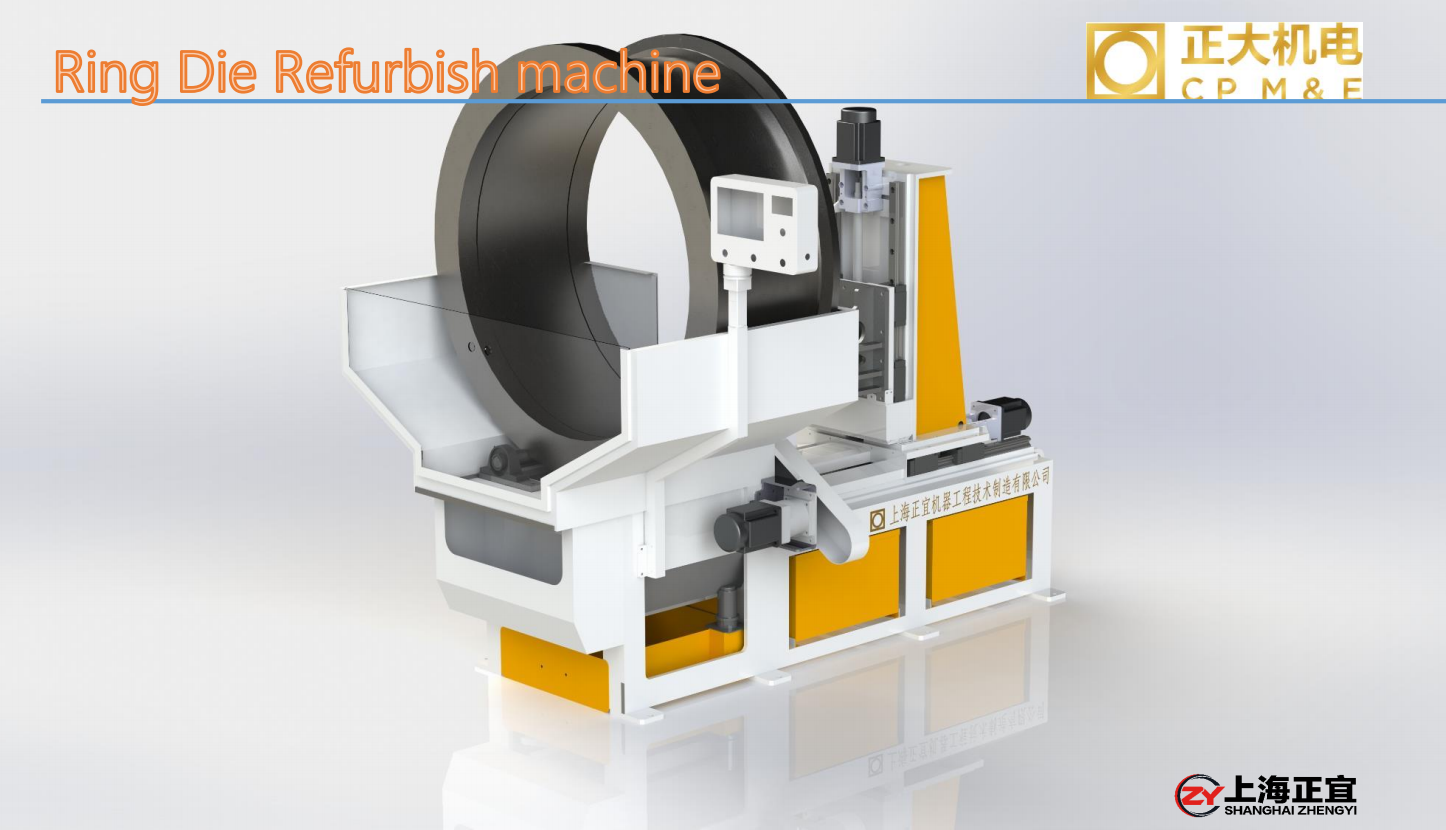
Ring Die Refurbishment Machine: How Feed Mills Reduce Pellet Mill Maintenance Cost and Improve Die Service Life
Meta Description: Learn how a ring die refurbishment machine helps feed mills restore die holes, stabilize pellet quality, reduce downtime, and control pellet mill maintenance cost. Introduction In many feed mills, ring die problems do not appear suddenly. They often start with small changes...